
Clinician-led care
What is medical weight management?
A practical guide to what medical weight management can involve, why assessment comes first and how an individual plan is monitored over time.
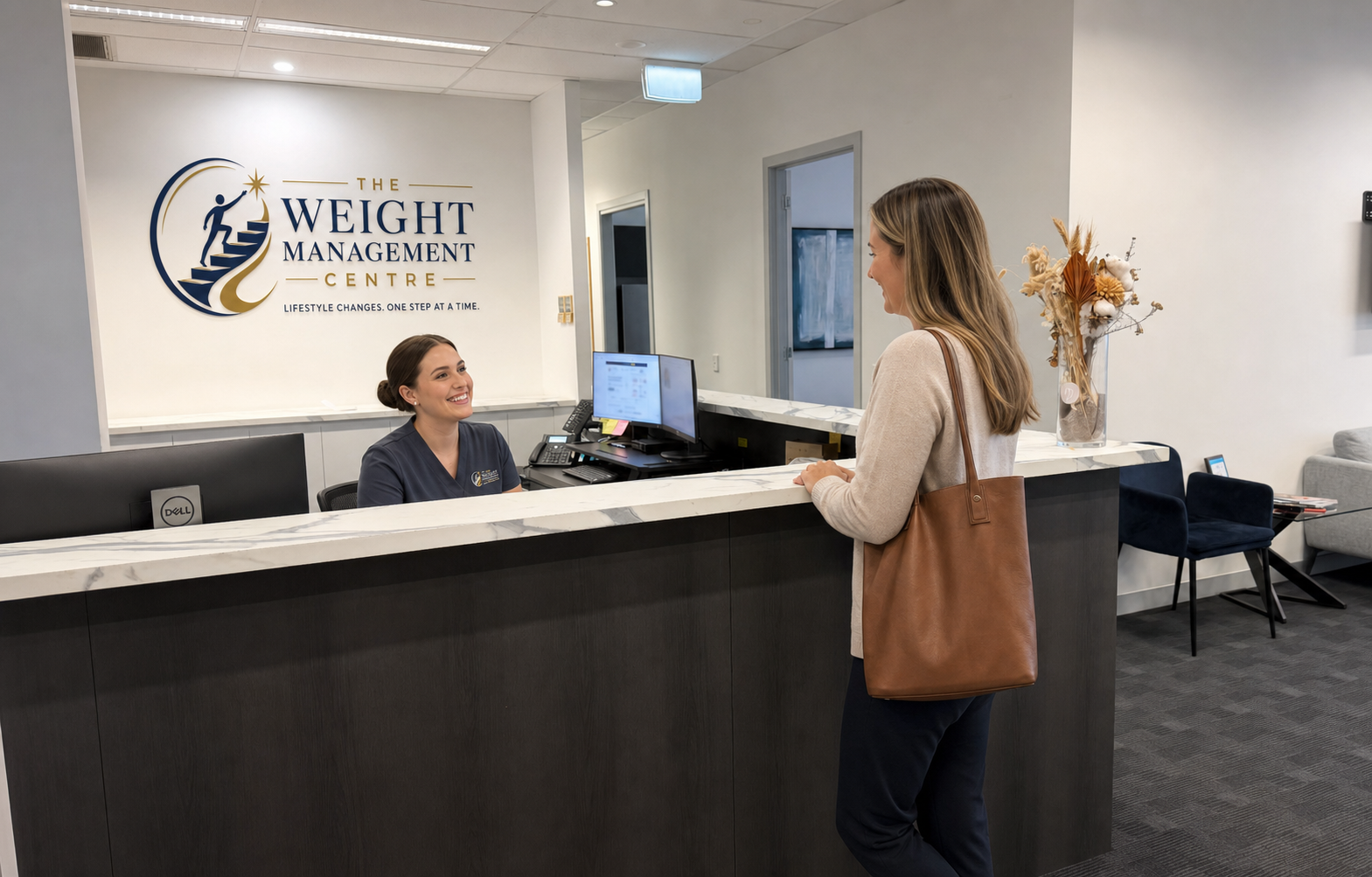
Medical weight management is an individual, clinician-led approach to improving health and managing weight. It considers more than a number on the scales and may bring together medical assessment, nutrition, movement, sleep, behaviour and continuing review.
It starts with understanding the whole picture
Body weight can be influenced by genetics, health conditions, medicines, sleep, stress, life stage, mobility, food access and previous attempts to manage weight. An initial assessment helps the clinician understand these factors rather than assuming that one plan will suit everyone.
The conversation may include your health history, current medicines and supplements, weight pattern, eating habits, physical activity, sleep, reproductive plans, mental wellbeing and the outcomes that matter to you. Relevant measurements or tests may also be considered according to your individual circumstances.
What can be included in a plan?
A medical weight-management plan may draw on several forms of support:
- Nutrition care: practical eating strategies designed around health needs, preferences, culture, budget and daily life.
- Movement: an achievable approach that considers fitness, pain, disability, work and other medical conditions.
- Behavioural support: identifying patterns, barriers and routines that affect eating, activity, sleep and follow-through.
- Health management: reviewing weight-related conditions and other factors that may affect safety or priorities.
- Clinically appropriate treatment: where relevant, a qualified practitioner can privately discuss suitable options, their risks, limitations and alternatives.
- Ongoing monitoring: checking progress, side effects, nutrition, wellbeing and whether the plan should change.
Why follow-up matters
Weight management is rarely a single appointment or a short, linear process. Response can change over time, and illness, stress, travel, pregnancy planning, injury or changes in routine can affect the plan. Follow-up creates an opportunity to review what is working, address difficulties and make clinically appropriate adjustments.
Progress is not limited to kilograms lost. Depending on your goals, useful measures may include blood pressure, blood glucose, sleep, mobility, energy, nutrition quality, strength, symptoms, medication needs and quality of life.
Is it the same as dieting?
No. A restrictive or fashionable diet may focus mainly on short-term food rules. Medical weight management should consider health, safety, sustainability and the reasons a particular approach may or may not be appropriate for you. Healthdirect advises that there is no single dietary approach that works for everyone and that changes should be sustainable over the long term.
Is it an alternative to bariatric surgery?
It can be, but the relationship is not always either-or. Some people pursue a non-surgical pathway, some use medical care while preparing for surgery, and others need ongoing medical and nutrition support after a procedure. A clinician can explain the appropriate alternatives after assessing your health, previous treatment, preferences and goals.
Questions to ask at your first appointment
- Which health issues or medicines could be influencing my weight?
- What outcomes would be realistic and meaningful for me?
- What options are appropriate, and what are their material risks and limitations?
- How will nutrition, movement, sleep and behaviour be supported?
- What monitoring and follow-up will I need?
- What are the likely costs, and what happens if the initial plan is not effective?